
Irish seafood trade mission to China
Micheál O’Mahony, SFPA
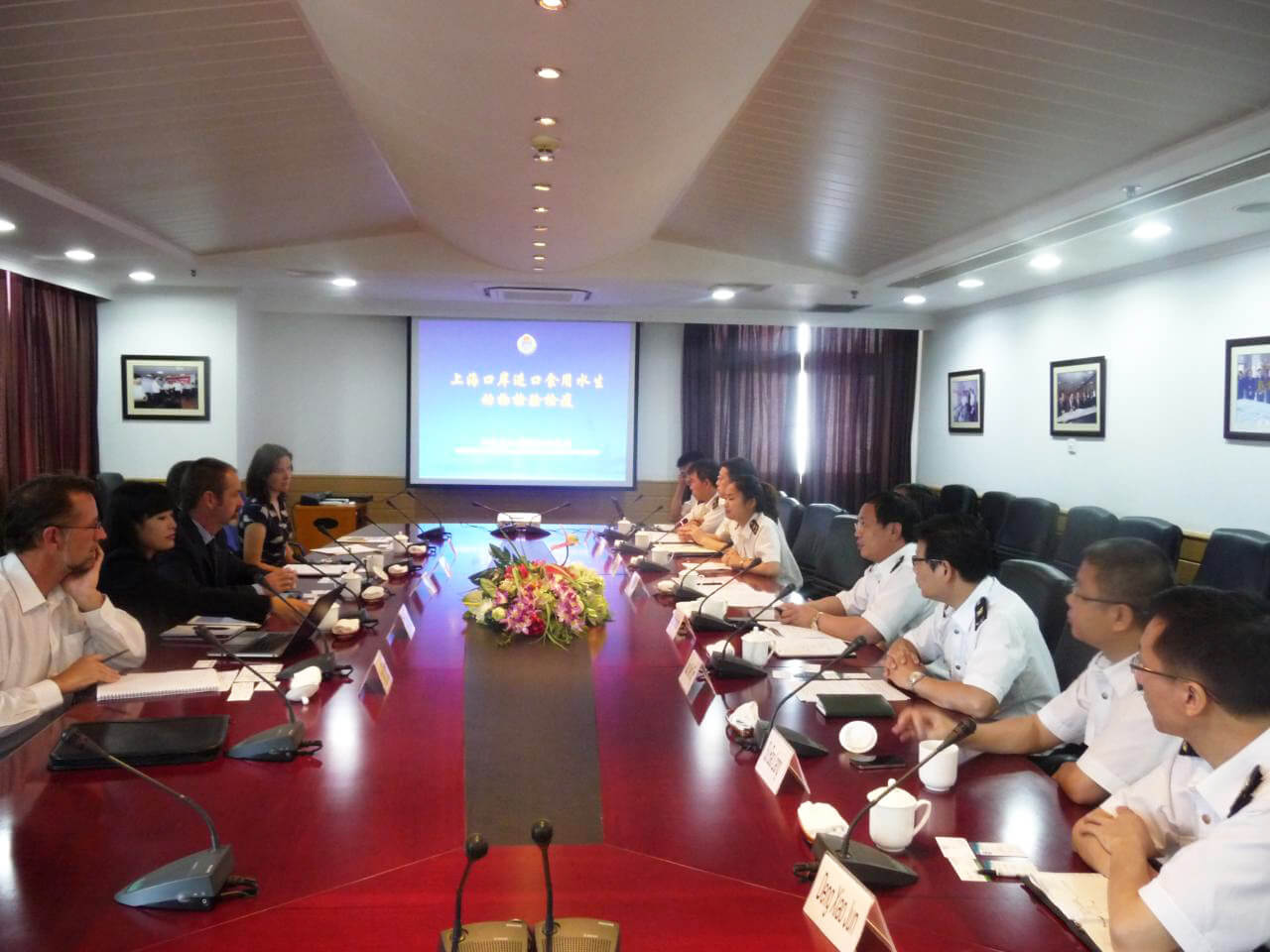
The Sea-Fisheries Protection Authority (SFPA) recently participated in the Irish trade mission to China led by Simon Coveney TD, Minister for Agriculture, Food and the Marine. This trip allowed the SFPA to continue to build on pre-existing linkages with relevant authorities in China responsible for checks and acceptance of Irish seafood entering China.
In China, the SFPA participated in meetings with representatives from the General Administration of Quality Supervision, Inspection and Quarantine (AQSIQ), the organisation which carries out the import controls in China, at their headquarters in Beijing.
Representatives of the Chinese Certification and Accreditation Association (CNCA) responsible for registering products and companies to allow trade into China were also present. This was followed by a meeting at the AQSIQ’s Shandong regional offices in the Chinese sea-port of Quingdao where a significant amount of Irish food product arrives.
What lies ahead for the seafood development agency?
The Public Service Reform Plan published on November 17 notes the IMDO and BIM to be: Candidate bodies for critical review by end June 2012.
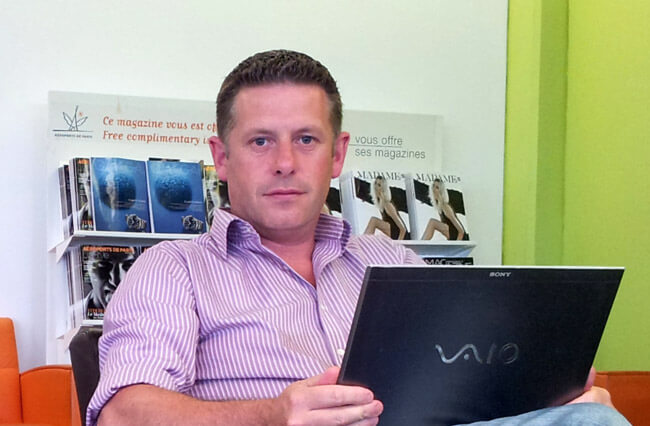
Inshore Ireland asked Francis O’Donnell, CEO of the Irish Fish Producers Organisation (IFPO) if he thought BIM should remain a stand-alone agency or should be subsumed into its parent department, the Department of Agriculture, Food and the Marine:
Francis O'Donnell, IFPO
In the current climate tax payers need to see value for money and the streamlining of services where possible and practical. Equally, as an organisation that works closely with BIM it would be easy to be critical that such a review is happening at all. Reviews are what governments do. We cannot have an ‘a la carte’ approach – it would be disingenuous to say the least.
 https://oceanfocus.ie/wp-content/uploads/2020/05/Ocean_Focus_marine_Publication.png
0
0
Guest Writer
https://oceanfocus.ie/wp-content/uploads/2020/05/Ocean_Focus_marine_Publication.png
Guest Writer2012-09-03 11:30:002019-02-14 09:18:45NutraMara: Food Research & Development targeting societal challenges in Europe
https://oceanfocus.ie/wp-content/uploads/2020/05/Ocean_Focus_marine_Publication.png
0
0
Guest Writer
https://oceanfocus.ie/wp-content/uploads/2020/05/Ocean_Focus_marine_Publication.png
Guest Writer2012-09-03 11:30:002019-02-14 09:18:45NutraMara: Food Research & Development targeting societal challenges in Europe
A seafood centre of excellence to drive added-value and innovation
A co-located, ‘one-stop-shop’ for seafood-related functions of the Department of Agriculture, Food and the Marine; the Sea-Fisheries Protection Authority and BIM’s business innovation and seafood product development activities has officially opened for business.
Officiating, Simon Coveney TD, the minister with responsibility for the marine, said his department was committed to ensuring “every effort was made to position Ireland to take full advantage” of the major opportunities available to its seafood sector. The UN estimates that world demand for seafood will rise by an extra 42 million tonnes annually from 2030.
Unveiling of the plaque at the National Seafood Centre
“I am focussed on firstly moving away from selling 85% of our seafood production in commodity form, and instead developing new high-value processed seafood products.”
Bord Bia food initiative in Spain
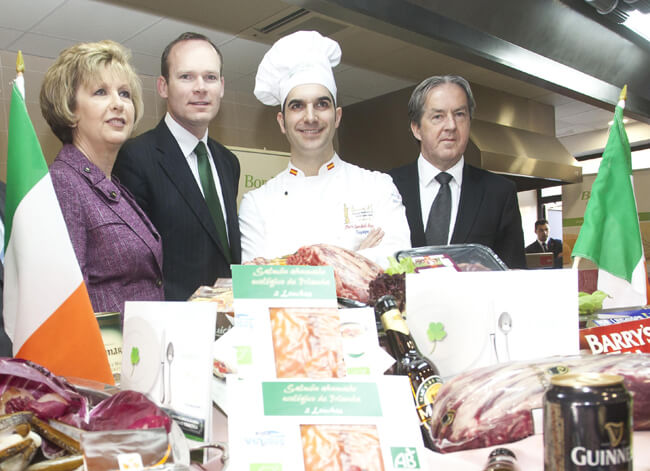
President Mary McAleese has launched a Bord Bia initiative in Spain designed to boost the image and reputation of Irish food in the Spanish market. The project involves reaching out to student chefs at top catering schools across Spain to build stronger relationships with the future generation of chefs and to establish an awareness of, and loyalty to, Irish produce.
Minister for Agriculture, Food and the Marine, Simon Coveney; Michelin star chef, Mario Sandoval and Aidan Cotter, Bord Bia
The President also attended the first of a series of ‘Irish Food Master Classes’ conducted by the internationally renowned Michelin star chef Mario Sandoval. These classes will provide trainee chefs with an insight and understanding of Ireland’s unique food and drink product offerings and highlight Ireland’s commitment to quality and sustainability.
https://oceanfocus.ie/wp-content/uploads/2020/05/Ocean_Focus_marine_Publication.png
0
0
Guest Writer
https://oceanfocus.ie/wp-content/uploads/2020/05/Ocean_Focus_marine_Publication.png
Guest Writer2010-08-30 15:49:592019-02-13 17:35:45Ireland’s potential as world seafood leader threatened by delays over Habitats Directive
https://oceanfocus.ie/wp-content/uploads/2020/05/Ocean_Focus_marine_Publication.png
0
0
Guest Writer
https://oceanfocus.ie/wp-content/uploads/2020/05/Ocean_Focus_marine_Publication.png
Guest Writer2008-02-19 12:42:482019-02-13 17:06:03Should food producers fear food safety
https://oceanfocus.ie/wp-content/uploads/2020/05/Ocean_Focus_marine_Publication.png
0
0
Guest Writer
https://oceanfocus.ie/wp-content/uploads/2020/05/Ocean_Focus_marine_Publication.png
Guest Writer2007-11-27 13:01:142019-02-13 16:58:50Feeding brains – let’s get the fats right
https://oceanfocus.ie/wp-content/uploads/2020/05/Ocean_Focus_marine_Publication.png
0
0
Guest Writer
https://oceanfocus.ie/wp-content/uploads/2020/05/Ocean_Focus_marine_Publication.png
Guest Writer2005-08-30 15:06:142019-02-13 16:44:43Transporting crab to market