
EU prepares for a ‘no-deal’ Brexit in final countdown
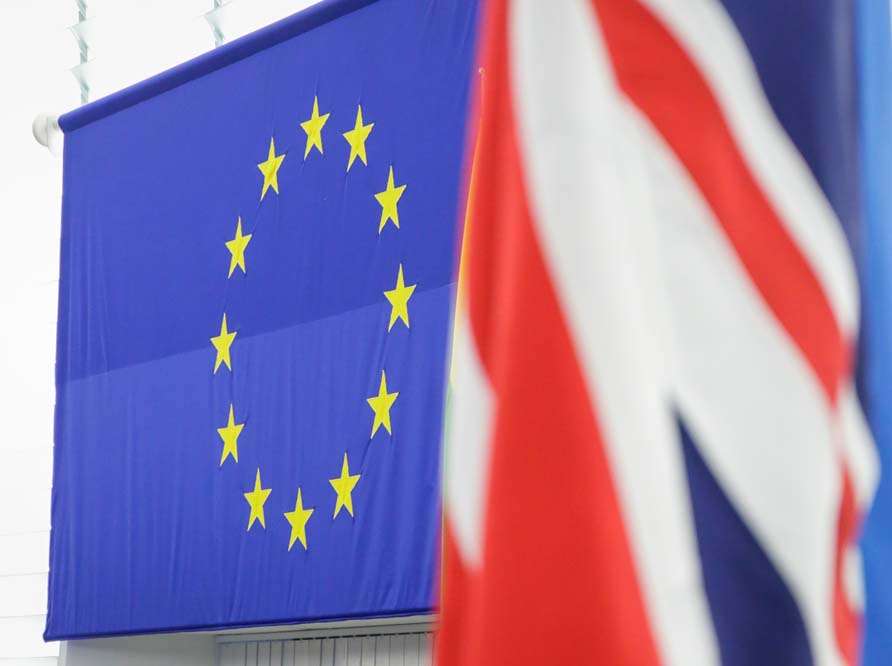 © European Union 2018 - Source EP
The European Commission has published targeted contingency measures on reciprocal fishing access by EU and UK vessels to each other’s waters. ‘Significant uncertainty’ prevails as talks wind down to next Sunday’s deadline to agree a deal before the UK departs the EU on December 31.
From January 1 next, the Common Fisheries Policy will no longer apply to the UK and their waters will no longer be part of Union waters.
‘The aim of these contingency measures is to cater for the period during which there is no agreement. If no agreement enters into application, they will end after a fixed period.’
Following a meeting with Prime Minister Boris Johnson, Commission President Ursula von der Leyen said that while negotiations were ongoing there was no guarantee that even “if and when” an agreement was found it could enter into force in time:
“Our responsibility is to be prepared for all eventualities, including not having a deal in place with the UK on January 1, 2021. That is why we are coming forward with these measures today.”
The Commission has proposed a regulation to create a legal framework until December 31, 2021, or until a fisheries agreement with the UK is concluded, whichever is the earlier date.
“In order to guarantee the sustainability of fisheries and in light of the importance of fisheries for the economic livelihood of many communities, it is necessary to facilitate the procedures of authorisation of fishing vessels.”
The Commission has warned however that disruption will happen with or without an agreement:
“This is natural a consequence of the UK’s decision to leave the Union and to no longer participate in the EU Single Market and Customs Union. Public administrations, businesses, citizens and stakeholders on both sides need to prepare for the end of the transition period.”
UK response
The National Federation of Fishermen’s Organisations in the UK says a “huge miscalculation” lies at the heart of the EU’s negotiating strategy.
“The EU has made the assumption that because the EU is a regulatory superpower and because trading on WTO terms would be disadvantageous for the UK, the UK would back down on fish,” says chief executive, Barrie Deas,
This conviction has been carried forward in the EU’s contingency plan, NFFO adds.
“It is assumed that the UK’s new legal status as an independent coastal state, although underpinned by international law, will be set aside and that the UK will be cowed into ceding automatic access to fish in UK waters for 2021.
It is also assumed that the UK will be required “to make an abject surrender that would tie us into CFP-like arrangement for decades,” he said.
Deas signals there is “no sign” this is going to happen.
“The scene is therefore set for the scenario that will cause most harm to the EU: no access to fish in UK waters from 1st January.”
EU fleets in value terms catch around six times more fish in UK waters than UK vessels catch in EU waters.
“Whilst the UK will have to adjust to increased border checks, the EU will have to deal with serious consequences of fleet displacement until a new agreement on fish in reached.”
Deas acknowledges an agreement is inevitable between the UK and the EU on fish “sometime” given the legal obligation on countries that share stocks to negotiate and manage stock sustainably.
Alongside these legal responsibilities are legal rights (including the right for each coastal state to harvest the resources within its exclusive 200-mile zone).
“Agreement, when it is reached will recognise that fundamental change in legal status which underpins the UK’s negotiating positions,”Deas adds.
The EU has “overplayed its hand” and risks exclusion of its fleets from UK waters from 1 January, he says: “By backing the UK into a corner on fish, it has left the UK Prime Minister no option but to turn and fight.”

