
Fisheries goes to the wire in Brexit talks
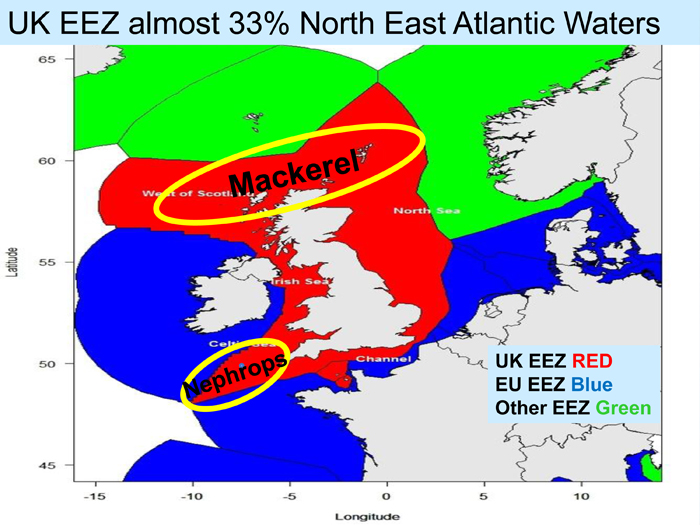
As EU:UK talks enter the final stages to find agreement in time to be ratified by January 1, fisheries remains front and centre despite being a very small contributor to both economic balance sheets.
But fisheries is not just about the bottom line; it is highly emotive and is the mainstay for coastal communities in both jurisdictions, offering employment in areas that otherwise have little economic prosperity.
The EU is insisting that fleets currently accessing UK waters will continue to have access, if the UK in turn wants ongoing access to European markets where it exports the majority of its catch. In 2019, the UK exported 604,000 tonnes, mainly to France, Spain and Ireland.
Without an agreement, the economies on both sides will suffer.
Barrie Deas, CEO of the UK’s National Federation of Fishermen’s Organisation believes the EU is making an “artificial linkage” between a trade deal and a framework agreement on fisheries:
“Its stance, put bluntly, is that the UK must surrender its rights as an independent coast state, or there will be no trade deal. There is no sign that the UK is prepared to do this; not least as it would raise fundamental political questions about what the 2016 referendum was for.”
It would also raise fundamental questions over sovereignty, he added.
“The current impasse arises because of the EU’s reluctance to surrender the advantages that it has held over 40 years during the period when the UK was tied into the Common Fisheries Policy.”
Deas maintains the EU wants to retain “automatic access to fish in UK waters and quotas” without reference to the fact that the “lion’s share of these resources” is located within the UK EEZ.
UK objectives
- access to fish in UK waters to be negotiated as part of annual fisheries agreements
- quota shares that reflect the resources located in UK waters
- an exclusive 12-mile limit to protect inshore fisheries
- freedom to develop a tailored UK fisheries management regime
- frictionless trade with the EU without surrendering sovereignty over fishing rights
Only five of twenty-seven member states benefit significantly from automatic access to fish in UK waters.
“There are signs within the Commission and some of the more politically weighty members, including Germany [who holds the presidency] of a growing impatience that the fish issue could deny the rest of the EU a trade agreement vital to their economies.
“And if the talks founder at the last hurdle, the fishing issue does not evaporate – it moves to a different forum – the coastal states negotiations for a stand-alone fisheries agreement for 2021,” outlines Deas.
Annual agreements set total allowable catches along with quota shares, access arrangements and mutually agreed quota exchanges.
“In other words, the EU will face the same problems on fisheries, without or without a framework agreement: the need for access to fish in UK waters, and pressure to move its position substantially on quota shares to secure that access,” Deas argues.
The Irish government meanwhile is urging all companies operating in the seafood sector to be Brexit ready, regardless of the talks outcome.

 © European Union 2018 - Source EP