
SeaMonitor research tracks vulnerable marine species

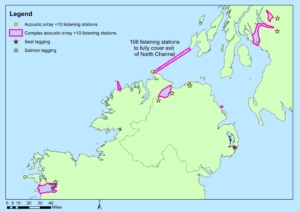
SeaMonitor – a unique research project led by the Loughs Agency launched in 2019 – is studying the seas around Ireland and west of Scotland using Europe’s ‘largest fish counter’.
SeaMonitor project to track vulnerable marine species
The project – which is supported by eight marine research institutions located in Ireland, Northern Ireland, Scotland, the US and Canada – will use innovative marine species tracking technologies to better understand and protect vulnerable marine life.
Listening stations from Malin Head to the island of Islay in Scotland will record transmissions from mobile marine species tagged by the project’s scientists.
The data collected using acoustic telemetry will be used to support conservation of vulnerable species such as salmon, basking sharks, skate, dolphins, whales and seals.
The fish counter marks a “major achievement” for the SeaMonitor project, remarked Sharon McMahon, Loughs Agency CEO:
“Loughs Agency is proud to be leading the way alongside expert colleagues to deliver such amazing marine research infrastructure that will ultimately help protect some of our most important species.”
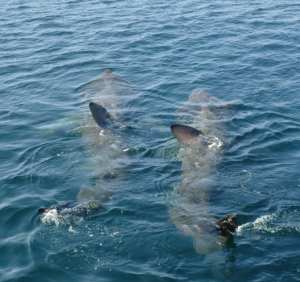
Basking sharks (c) Emmet Johnson, IBSG
Cross border partnerships
Funding for the €4.6m project is through the EU’s INTERREG VA Programme (Environment Theme) and is managed by the Special EU Programme Body (SEUPB). Match funding comes from the Department of Agriculture, Environment and Rural Affairs in Northern Ireland and the Department of Housing, Planning and Local Government (RoI).
Gina McIntyre, CEO of the SEUPB, SeaMonitor was a “much-needed step forward” to conserve vulnerable species:
“It only serves to highlight the benefits that are created through strong, mutually beneficial cross-border partnerships in the management of marine protected areas and species.”
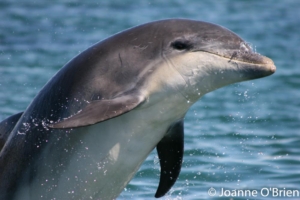
Porpoise (c) Joanne O’Brien
Dr Fred Whoriskey, Executive Director of the Ocean Tracking Network, said the project will unite and empower scientists from Europe and elsewhere “to take pressing management issues, provide global networking for scientists to efficiently use resources and engage with the public in project outcomes”.
The Marine Institute is providing technical support and ship-time on their research vessel, RV Celtic Voyager:
“Tracking the migration of species and identifying environmental signals influencing their movement is essential to effectively protect and manage our marine ecosystems,” remarked Dr Ciaran Kelly, Director of Fisheries Ecosystems and Advisory Services at the Marine Institute.
