Seaweed – an untapped source of protein and bioactive compounds for aquaculture
Simon Faulkner, Ocean Harvest Technology
Seaweed is fast gaining a reputation as the ideal sustainable food source. Certainly, the nutritional properties of seaweeds are both unique and interesting, with some seaweeds having protein levels as high as 47%. Seaweed, therefore, represents an untapped source of protein and has great future potential.
As the global population continues to rise, the need for sustainable, alternative sources of protein also increases. In fact, it is estimated that the worldwide requirement for food will increase up to 50% by 2030, thus highlighting the absolute need for sustainable development.
Recently, Ocean Harvest Technology worked in collaboration with a number of research institutes to evaluate the use of different seaweeds as a sustainable protein source for aquaculture.
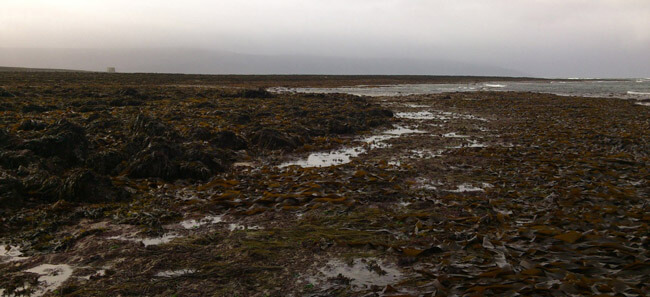
Seaweed found on Ireland's west coast
Why seaweed protein?
Protein is the most expensive constituent of fish feed whereby global expenditure exceeds €1bn per annum. Fishmeal is a high-protein animal feed used extensively in aquaculture but uses wild fish stocks to feed farmed fish and is an unsustainable feed resource.
 https://oceanfocus.ie/wp-content/uploads/2020/05/Ocean_Focus_marine_Publication.png
0
0
Guest Writer
https://oceanfocus.ie/wp-content/uploads/2020/05/Ocean_Focus_marine_Publication.png
Guest Writer2012-10-16 18:31:412019-02-14 09:27:15The tranquility of canal fishing
https://oceanfocus.ie/wp-content/uploads/2020/05/Ocean_Focus_marine_Publication.png
0
0
Guest Writer
https://oceanfocus.ie/wp-content/uploads/2020/05/Ocean_Focus_marine_Publication.png
Guest Writer2012-10-15 14:19:542019-02-14 09:27:06The question of science, ethics and water fluoridation
https://oceanfocus.ie/wp-content/uploads/2020/05/Ocean_Focus_marine_Publication.png
0
0
Guest Writer
https://oceanfocus.ie/wp-content/uploads/2020/05/Ocean_Focus_marine_Publication.png
Guest Writer2012-10-16 18:31:412019-02-14 09:27:15The tranquility of canal fishing
https://oceanfocus.ie/wp-content/uploads/2020/05/Ocean_Focus_marine_Publication.png
0
0
Guest Writer
https://oceanfocus.ie/wp-content/uploads/2020/05/Ocean_Focus_marine_Publication.png
Guest Writer2012-10-15 14:19:542019-02-14 09:27:06The question of science, ethics and water fluoridation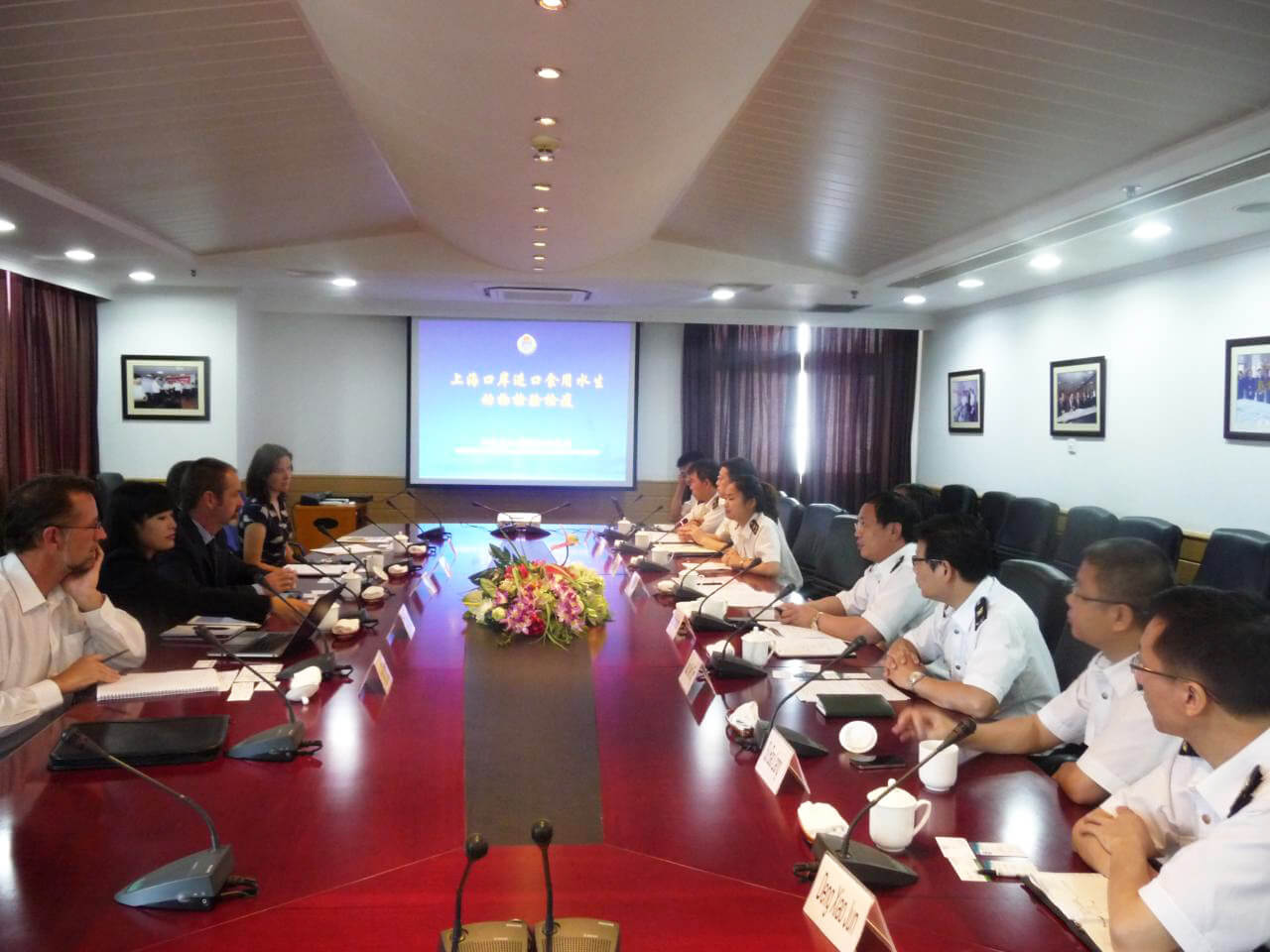
Irish seafood trade mission to China
Micheál O’Mahony, SFPA
The Sea-Fisheries Protection Authority (SFPA) recently participated in the Irish trade mission to China led by Simon Coveney TD, Minister for Agriculture, Food and the Marine. This trip allowed the SFPA to continue to build on pre-existing linkages with relevant authorities in China responsible for checks and acceptance of Irish seafood entering China.
In China, the SFPA participated in meetings with representatives from the General Administration of Quality Supervision, Inspection and Quarantine (AQSIQ), the organisation which carries out the import controls in China, at their headquarters in Beijing.
Representatives of the Chinese Certification and Accreditation Association (CNCA) responsible for registering products and companies to allow trade into China were also present. This was followed by a meeting at the AQSIQ’s Shandong regional offices in the Chinese sea-port of Quingdao where a significant amount of Irish food product arrives.
Conference looks to technology to get more from marine resources
Businesses and researchers developing technology solutions for the marine sector will have greater opportunities to test their innovations in an ocean environment following the launch of SmartBay Ireland – a not-for-profit company.
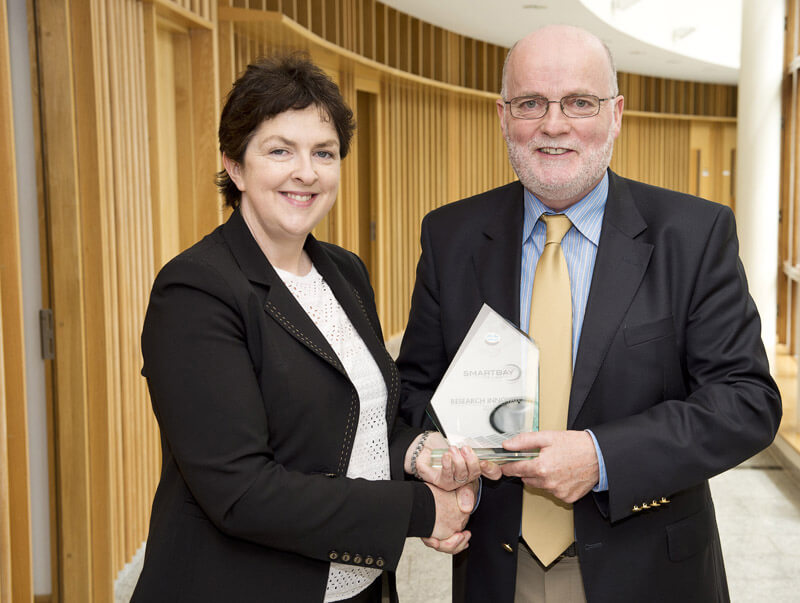
Photo Prof. Fiona Regan, DCU presents Dr Mike Hartnett, NUIG with the SmartBay Research Innovator Award.

The need for a national sail training vessel
Seán T Rickard
Ireland’s hosting the Tall Ships 2012 last August was a major visual attraction with knock-on economic benefits for Dublin, and should serve to silence those who question the need for a national Irish sail training vessel. Such benefits would be compounded if national maritime awareness were dramatically increased among the general public.
Shrouded in morning mist: Irish maritime history sails by. L.É. Aoife (just visible far left) and ILV Granuaile escort Asgard II, Dunbrody and Jeanie Johnston to the start line of the 2005 Tall Ships Race, off Hook Head, Co Waterford. Photo G.Mills
Indeed, if we are to promote the sea and the exploitation of its manifold resources, e.g. fisheries; renewable energy; medical research; recreation; tourism and maritime heritage/culture, it would be best showcased and supported by the operation of a national tall ship. The potential revenues thereby gained by such exploitation could be used as a funding stream for a tall ship. If these arguments aren’t enough there are plenty more reasons.
Separated by sea but united by common maritime culture
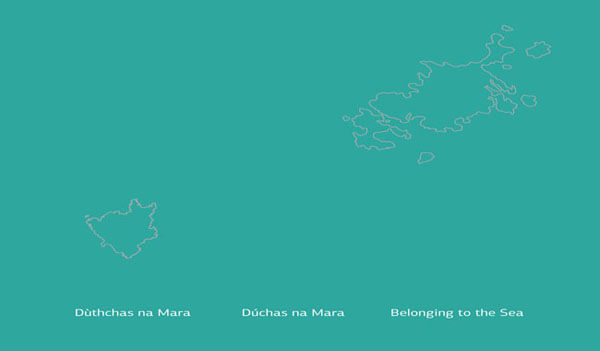
Dúthchas na Mara/Dúthas na Mara (Belonging to the Sea) is an exploratory work into conflict that two separate Gaelic-speaking island communities – one in Ireland and one in Scotland– are currently embroiled in concerning processes by government bodies whose remit it is to protect aspects of the natural environment in which the islanders live.
Authors Iain McKinnon (Scottish Crofting Federation) and Ruth Brennan (Scottish Association of Marine Science) describe the concerns of fishermen who believe their livelihood and way of life is being threatened by ‘powerful institutions who are not listening to them.’
On Barra the dispute centres on proposals by the Scottish Natural Heritage to designate two European marine conservation areas in waters off the island. Meanwhile on Donegal islands, including Arranmore, communities are opposed to the moratorium on drift-net fishing for salmon in their local waters.
A spectacle of sail expected for the ‘Gathering Cruise’
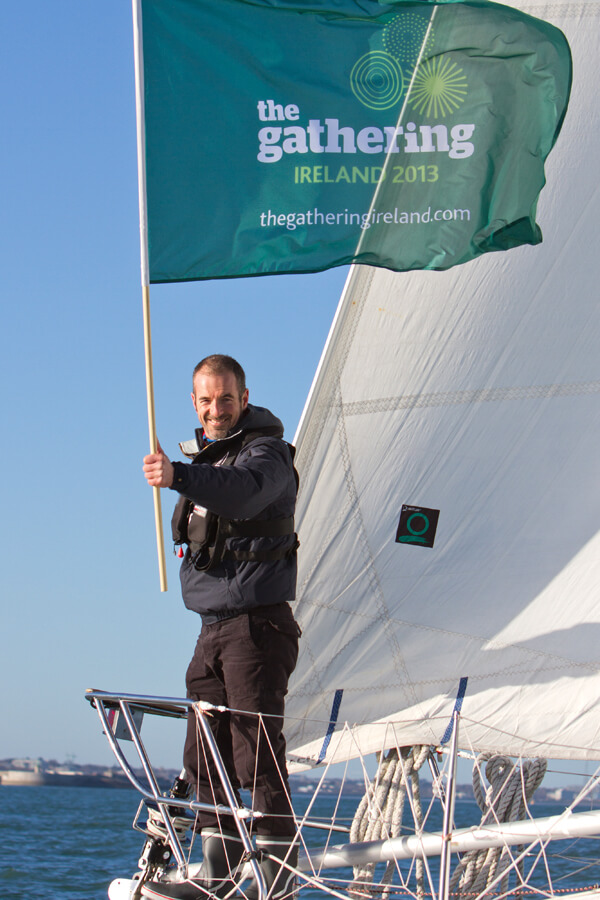
Described as a ‘unique event’, the Irish Sailing Association and Gathering Ireland 2013 are organising a cruise involving 100 boats and 600-strong crew that will sail in company down the east and south coasts of Ireland. The flotilla will be joined en route by boats from feeder ports in the UK, Europe and America.
Arriving at gateway ports, boats will be greeted by Gathering Welcome Ambassadors and local communities. They will then join the flotilla that left Dublin on July 13 as it sails southwards to assemble in Kinsale, Co Cork, before heading westward along the West Cork and Kerry coastline for a major farewell gathering in Dingle on August 1.
Marine biomass to supplement world energy requirements?
Declan Hanniffy, Research Coordinator, OceanFuel Ltd
Today around 90% of the world’s energy consumption derives from the combustion of fossil fuels, i.e. coal, oil and natural gas are in limited supply and will one day run out. As a result, the quest for renewable energies – energies generated from natural resources such as sunlight, wind, tides, etc and from industrial or urban waste and biomass – started decades ago. Induced by numerous studies and energy conferences, the 27 Member States of the EU decided in 2007 that 20% of energy should come from renewable sources by 2020 (Lisbon Treaty).
Cultivating seaweed
There is a need to fulfil our energy consumption in a renewable and sustainable way, and aquatic biomass could be one source of this energy. Since the available area for cultivation at sea is so much larger than on land (70% of the earth’s surface is ocean) and growth rates of macroalgae (also commonly known as seaweed) are much higher than for conventional land crops, the potential for biomass production at sea is enormous.