
Emergency measures proposed for seafood sector
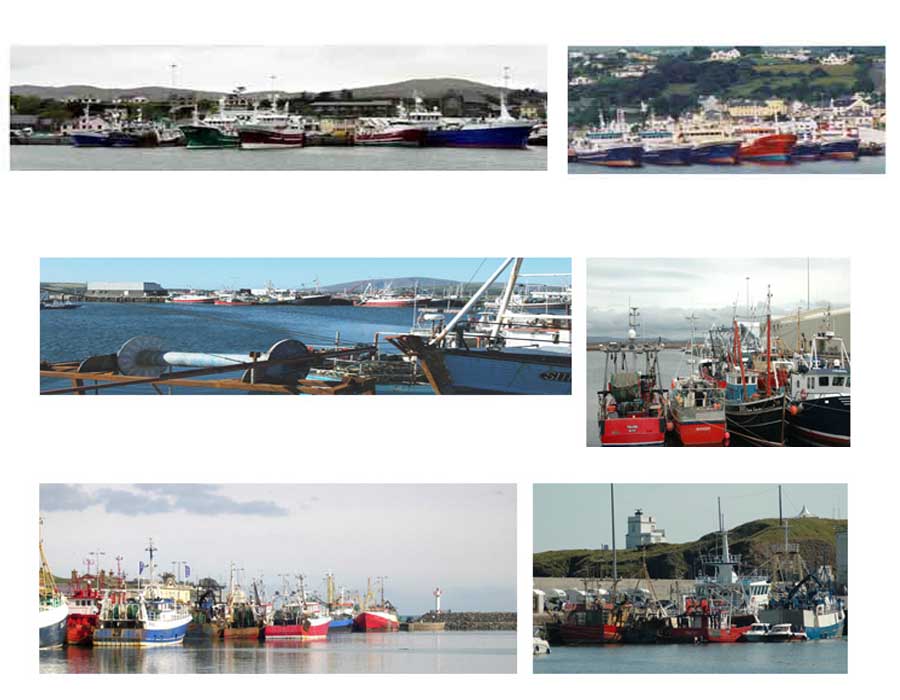
The EU Commission has proposed emergency measures for the seafood sector to help mitigate the adverse effects of “an industry placed in serious peril by the Covid-19 crisis”.
It is “now imperative” that additional financial supports are however put in place to complement these measures,” warned Seán O’Donoghue, chief executive of the Killybegs Fishermen’s Organisation.
A combination of “simultaneous challenges” where vessels are tied up, “seismic difficulties around market place collapse” and a lack of cold storage for products has created “the perfect, horrendous storm” for the fishing sector.
The measures, which have yet to be approved by the EU Council and the European Parliament, will be retrospectively eligible as of February 1 and run until December 31. Member States can start selecting and supporting these operations, according to the Commission.
Fishermen are “hugely concerned” at their ability to continue to supply safe and healthy seafood, Seán O’Donoghue added.
“We are literally and metaphorically in uncharted waters. This legislative package provides some solace for our members who are trying to keep the supply of food as constant as possible.
The measures however only allow Member States greater flexibility in reassigning and transferring unused funds that were already ring-fenced for the sector under the European Maritime and Fisheries Fund.
While no new funding is proposed under these emergency measures, “this quite simply must be the next move from the Commission if we are to have any semblance of a viable fisheries sector supplying healthy seafood post Covid-10,” O’Donoghue stressed.
Fish prices have plummeted by up to 50% “at a time when EU Governments are keen for the sector to continue to supply the market with a vital, safe and healthy food supply”.
Coronavirus response
The support package proposed by the EU Commission includes support for temporary cessation of fishing activities, support for aquaculture farmers for suspending production and associated costs, and support for producer organisations for storing fish and aquaculture products.
Further amendments under the EMFF regulation will allow more flexible reallocation of financial resources within the operational programme and a simplified procedure for introducing new measures.
“Europe’s fishermen and aquaculture farmers are used to fighting the elements. But the Coronavirus is a different kind of storm. The Commission therefore proposes a range of targeted actions addressing the urgent challenges that our seafood community faces.
“These measures will help protect thousands of jobs in the EU’s coastal regions and maintaining food security,” remarked Virginijus Sinkevičius, European Commissioner for Environment, Oceans and Fisheries.

