

Stakeholders must be central to a reformed Common Fisheries Policy
The EU Commission decision in April to adopt a Green Paper on the reform of the Common Fisheries Policy has been welcomed, if cautiously, by the Federation of Irish Fishermen.
Proceedings from the organisation’s review seminar in October notes starkly: ‘Ireland had put consideratble effort into previous CFP reviews, but the the outcome never met expectations which led FIF to think a new approach was needed when structuring.'
Sean O'Donoghue, CEO of the Killybegs Fishermen's Organisation and FiF's current chairman
A key player representing Ireland in the complex intra-community horse-trading now well underway is Sean O’Donoghue, CEO of the Killybegs Fishermens Organisation and FIF’s current chairman.
A veteran of fisheries management who worked in the Department of the Marine and for BIM for over twenty years before taking over the KFO helm in 2000, few would match his grasp of the complexities of the CFP reform discussions.
 https://oceanfocus.ie/wp-content/uploads/2020/05/Ocean_Focus_marine_Publication.png
0
0
Guest Writer
https://oceanfocus.ie/wp-content/uploads/2020/05/Ocean_Focus_marine_Publication.png
Guest Writer2009-05-29 15:10:292019-02-13 17:24:46V-notch scheme: The Dunmore perspective
https://oceanfocus.ie/wp-content/uploads/2020/05/Ocean_Focus_marine_Publication.png
0
0
Guest Writer
https://oceanfocus.ie/wp-content/uploads/2020/05/Ocean_Focus_marine_Publication.png
Guest Writer2009-05-29 15:10:292019-02-13 17:24:46V-notch scheme: The Dunmore perspective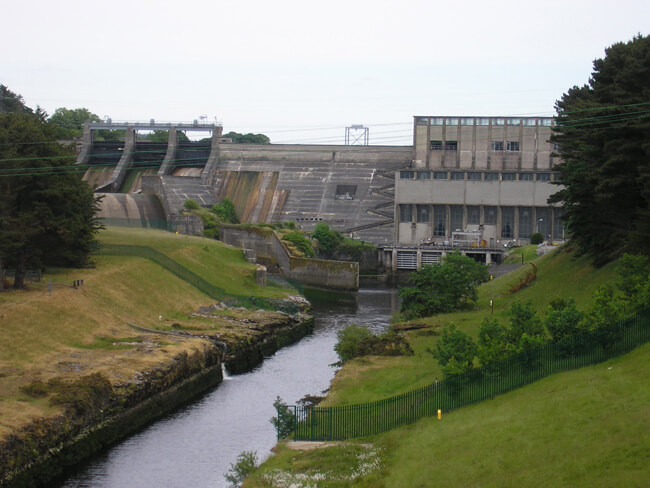
Ranched salmon – a blueprint for future management?
A proposal to allow hatchery-reared ranched salmon to be captured by draft net in the Erne Estuary, which has the potential to develop into a lucrative operation, is gaining widespread local support; however local politicians and government so far appear to lack the enthusiasm for the project.
A consultant-prepared draft management plan entitled ‘A proposal for the management of the salmon on the Erne Estuary’, which has been seen by Inshore Ireland, makes a convincing argument that Ballyshannon’s once substantial draft-net salmon fishery should be revived, but for hatchery-reared ranched fish only.
Kathleen Falls Dam with tail race and outflow pipe from hatchery. Photo Brendan Connolly
The report proposes that wild salmon and seatrout would not be targetted and that only ranched salmon released as hatchery-reared smolts to the open sea, identifiable by a clipped adipose fin, would be caught.
Restructuring of lobster fishery to avert stock collapse
Proposed changes in managing access to the Irish lobster fishery if accepted by the industry will see the Irish coast divided into eight units. All authorised vessels under or equal to 12m in length will be licensed to fish for lobster; however vessels over 12m will be only be authorised on the basis of established track record.
Managing Access to the Irish Lobster Fishery, which was prepared by BIM in consultation with the Lobster Species Advisory Group, follows on from an analysis of lobster stocks that revealed over-exploitation in many areas around the coast.
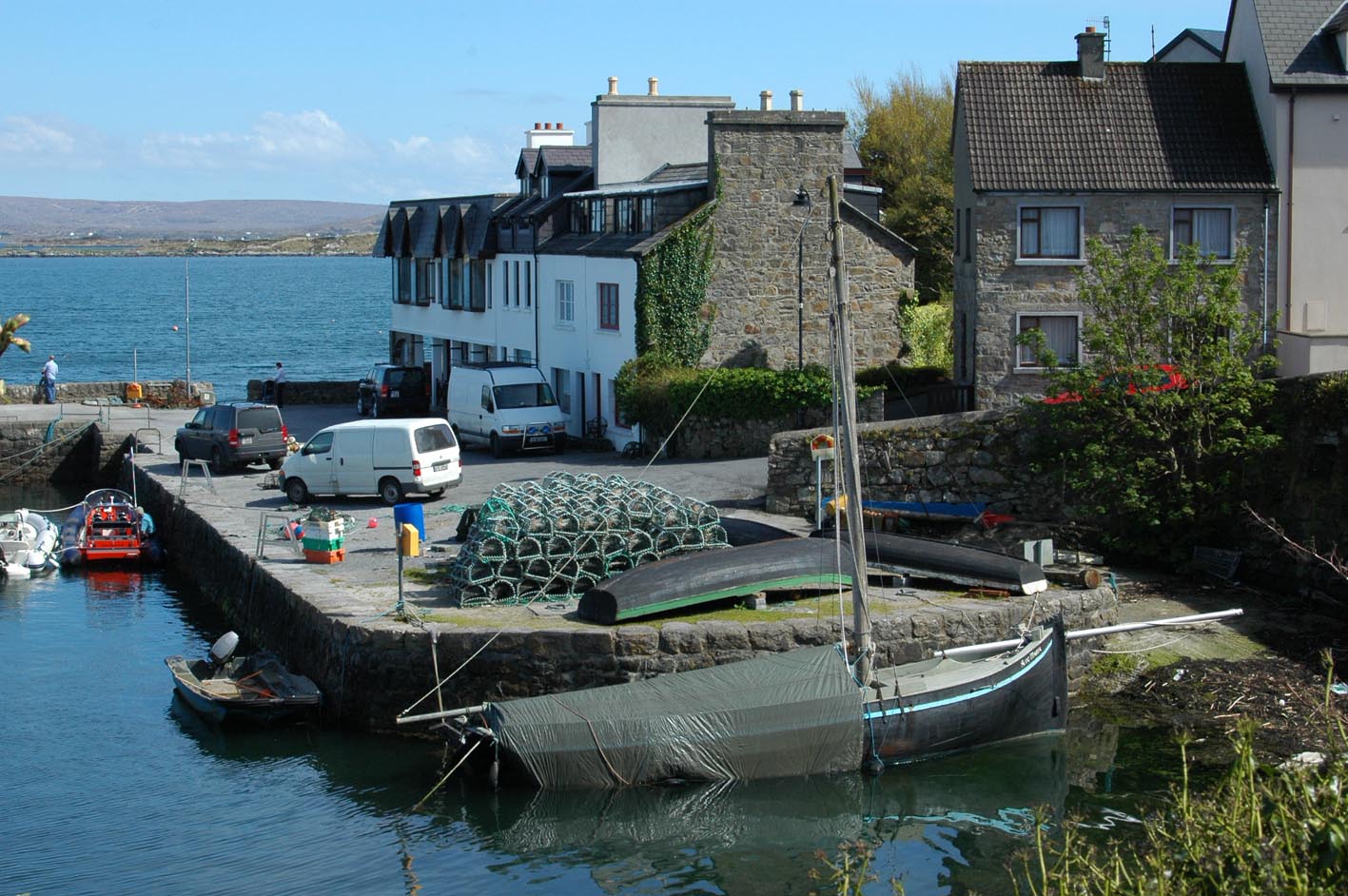
Pic: Lobster fishermen in the Roundstone area will primarily fish out of Management Unit 5b. Photo G Mills
Total capacity of vessels authorised to fish lobster will be stabilised once initial authorisations are issued, and further increases will be conditional upon improvement in catches and as agreed by industry.
https://oceanfocus.ie/wp-content/uploads/2019/08/Ketchikan.jpg
399
600
Gillian Mills
https://oceanfocus.ie/wp-content/uploads/2020/05/Ocean_Focus_marine_Publication.png
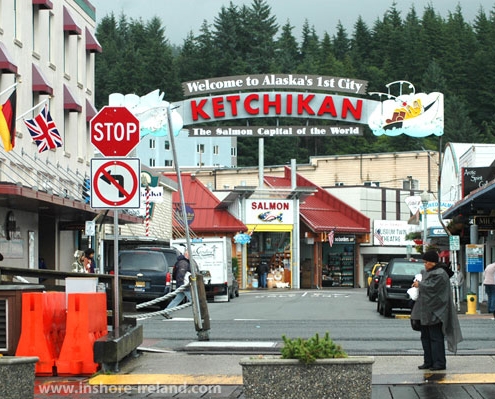
Gillian Mills2009-02-15 13:54:282019-08-15 14:47:31Ketchikan: canned salmon centre of the world
https://oceanfocus.ie/wp-content/uploads/2020/05/Ocean_Focus_marine_Publication.png
0
0
Guest Writer
https://oceanfocus.ie/wp-content/uploads/2020/05/Ocean_Focus_marine_Publication.png
Guest Writer2009-01-30 08:32:592019-02-13 17:22:01Long-term lobster storage: fact file
https://oceanfocus.ie/wp-content/uploads/2020/05/Ocean_Focus_marine_Publication.png
0
0
Guest Writer
https://oceanfocus.ie/wp-content/uploads/2020/05/Ocean_Focus_marine_Publication.png
Guest Writer2008-02-19 17:54:472019-02-13 17:10:54Greater stakeholder involvement in fisheries management
https://oceanfocus.ie/wp-content/uploads/2020/05/Ocean_Focus_marine_Publication.png
0
0
Guest Writer
https://oceanfocus.ie/wp-content/uploads/2020/05/Ocean_Focus_marine_Publication.png
Guest Writer2008-02-19 12:53:182019-02-13 17:11:08Industry and science working to rebuild Celtic Sea cod
https://oceanfocus.ie/wp-content/uploads/2020/05/Ocean_Focus_marine_Publication.png
0
0
Guest Writer
https://oceanfocus.ie/wp-content/uploads/2020/05/Ocean_Focus_marine_Publication.png
Guest Writer2008-02-19 12:48:082019-02-13 17:06:12Taking stock